JPT Opto-electronics Helps Shops Reduce Trial Waste with Better Laser Setup
Good sustainability in laser marking often starts with fewer failed samples, cleaner process windows, and source choices that match the job instead of oversized assumptions.
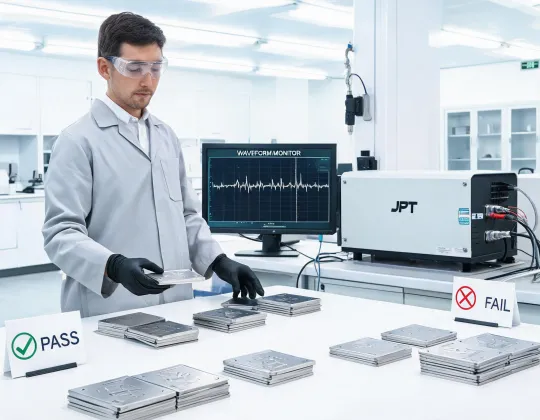
Good sustainability in laser marking often starts with fewer failed samples, cleaner process windows, and source choices that match the job instead of oversized assumptions.
A small marking shop can waste surprising amounts of stainless coupons, anodized tags, protective film, and operator time while chasing a stable recipe. The same can happen in pulsed cleaning, where the wrong power and speed combination can leave oxide behind or overheat the surface. JPT's advisor model is meant to reduce that trial-and-error loop. Before a customer buys a source, the team asks for material grade, coating, desired contrast, cycle time, field size, and fixture details. The recommendation then includes a process direction, not just a model number.
"The lowest-impact laser is the one chosen for the actual material window."
For OEM integrators, better documentation also reduces waste after installation. Operators need a repeatable starting recipe, maintenance teams need cooling and alarm context, and purchasing teams need spare-part clarity. When those details are written down, fewer test parts are burned during handoff and fewer good sources are returned because the cabinet wiring or process expectation was unclear.
"A clean mark recipe saves more than samples. It saves the day a production team would have spent guessing."
JPT does not treat sustainability as a slogan. It is expressed through precise source selection, repairable integration paths, realistic duty-cycle planning, and application notes that help customers avoid avoidable scrap.
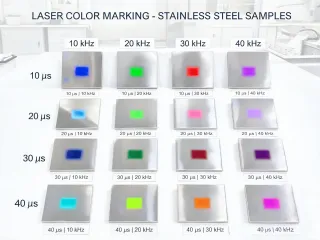
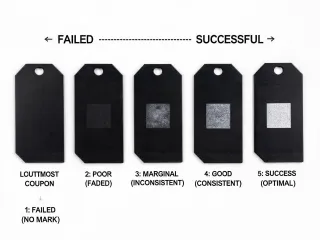
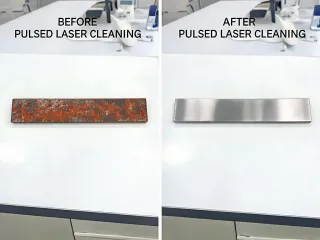


Describe the material, finish target, and current scrap pattern. We will help you decide whether pulse tuning, source family, or fixture changes should come first.