Source Selection Review
We review substrate, mark depth, cycle time, lens field, cooling conditions, and pulse-width needs before recommending a MOPA, LP, CW, or cleaning source.
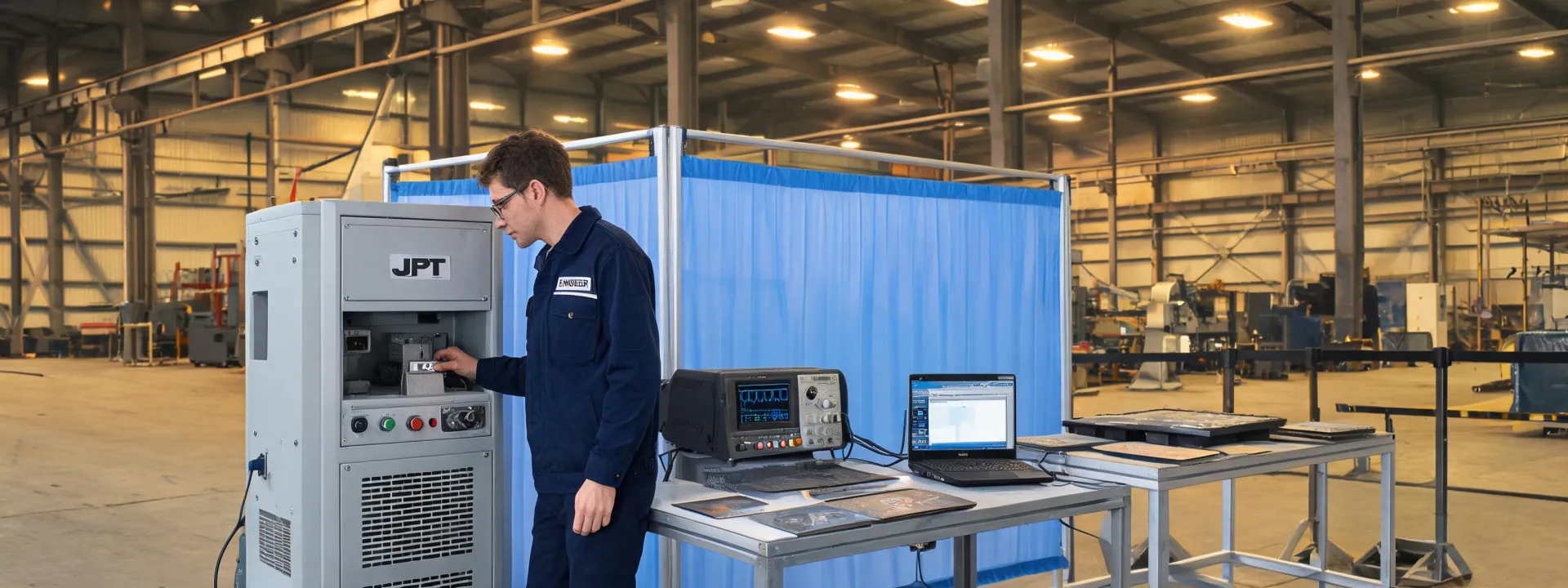
We review substrate, mark depth, cycle time, lens field, cooling conditions, and pulse-width needs before recommending a MOPA, LP, CW, or cleaning source.
Support engineers use serial number, alarm code, duty cycle, and photos to route each case to settings review, spare fiber dispatch, or return inspection.
Machine builders get practical handoff notes for signal wiring, cooling, interlocks, sample-marking setup, and operator recipe documentation.
A good support plan for laser sources is not a generic help desk. It needs to connect optics, electronics, motion timing, safety interlocks, and the buyer's real production material. JPT treats the first contact as a technical intake. Your team can send the part material, desired mark size, fixture constraints, available cooling, controller type, and expected duty cycle. From there, an application engineer narrows the source family and explains what needs to be tested before purchase. For existing installations, the same service path captures alarm code, operating hours, fiber condition, cooling history, and recent recipe changes so the right person reviews the case quickly. This advisor-first process keeps conversations specific and helps small fabrication shops, OEM machine builders, and regional distributors avoid vague wattage-only decisions.
We capture source model, serial number, substrate, alarm code, and your controller environment.
The case is routed to applications, electronics, optics, or repair intake based on the evidence.
Your technician receives practical checks for cooling, fiber route, interlock, gate signal, and recipe settings.
Spare fiber, interface board, or source inspection is arranged through the correct regional channel.
Once restored, the team confirms sample marks and records the settings for future operators.
Tell us whether downtime comes from recipe uncertainty, parts availability, cooling alarms, or installation handoff. We will map the service path around that risk.