


Applications +1-800-577-0168 Service +1-800-577-0299 Integrator Support Book Sample Marking
EN | ES | FR | DE | 简体
JPT MOPA fiber laser source in photonics integration lab
Pulse Width Guidance for OEM Integrators

JPT Opto-electronics Helps You Choose the Right Fiber Laser Source

Compare MOPA M1, MOPA M7, LP pulsed, CW fiber, and cleaning-source options with an application engineer who understands pulse width, wavelength, substrate behavior, and production-floor service constraints.

Request a Source Recommendation Compare JPT Fiber Laser Families →

Common questions, organized by laser decision point

Choose MOPA when the surface result depends on pulse width: stainless color marking, black marking on anodized aluminum, heat-sensitive plastics, or a job that needs lower peak thermal load without changing the fixture.

For many stainless, aluminum, and coated-metal jobs, a 50W JPT MOPA source is a balanced starting point. We still ask for mark depth, cycle time, and field size before we recommend a final power band.

Often yes, but the process window changes by material and coating. JPT advisors use sample marks to define pulse width, frequency, hatch, and scan speed before you commit to a production recipe.

Typical integrations use RS-232, Modbus, gate, PWM, and interlock signals. We map the interface to your controller board and safety circuit before shipment so commissioning is predictable.

Registered integrators send serial number, alarm code, duty cycle, and a short video. A JPT support engineer then routes the case to remote settings review, spare-part dispatch, or return inspection.
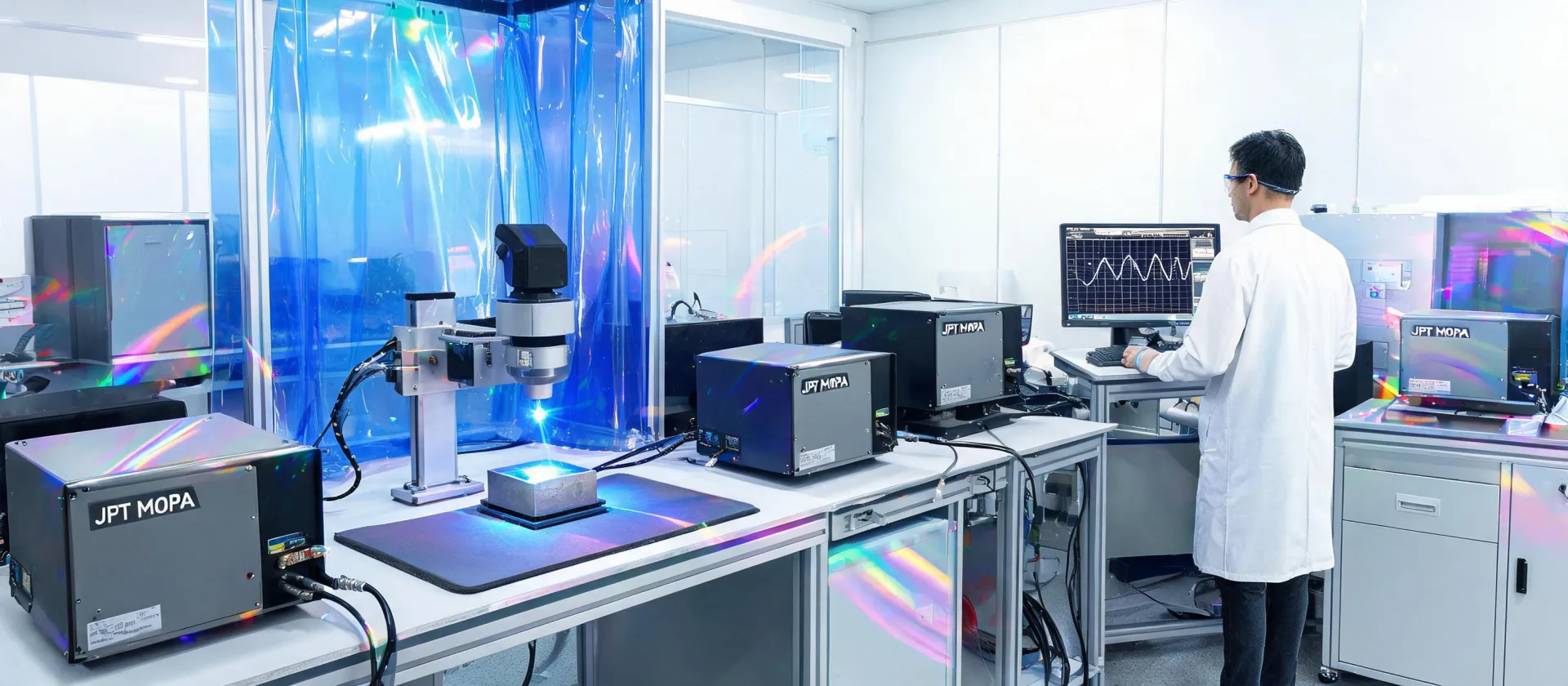
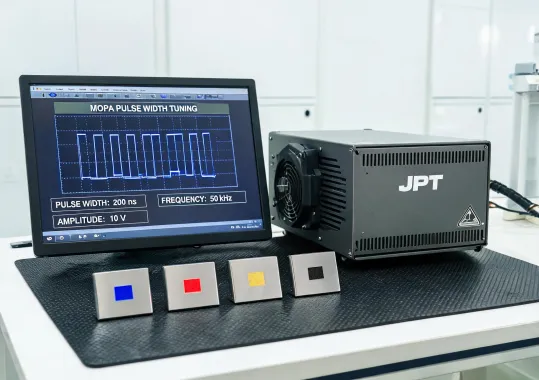
MOPA pulse waveform tuning dashboard

21-Step MOPA Pulse Library

M1 and M7 sources give integrators a practical tuning ladder for color, black, white, anneal, and shallow engraving recipes. The advisor workflow starts with your material and desired finish, then narrows the usable pulse-width range before sample marking.

  • 2-500 ns pulse-width selection
  • Useful for stainless, anodized aluminum, and polymers
  • Recipe notes prepared for operator handoff
Find the right pulse range →
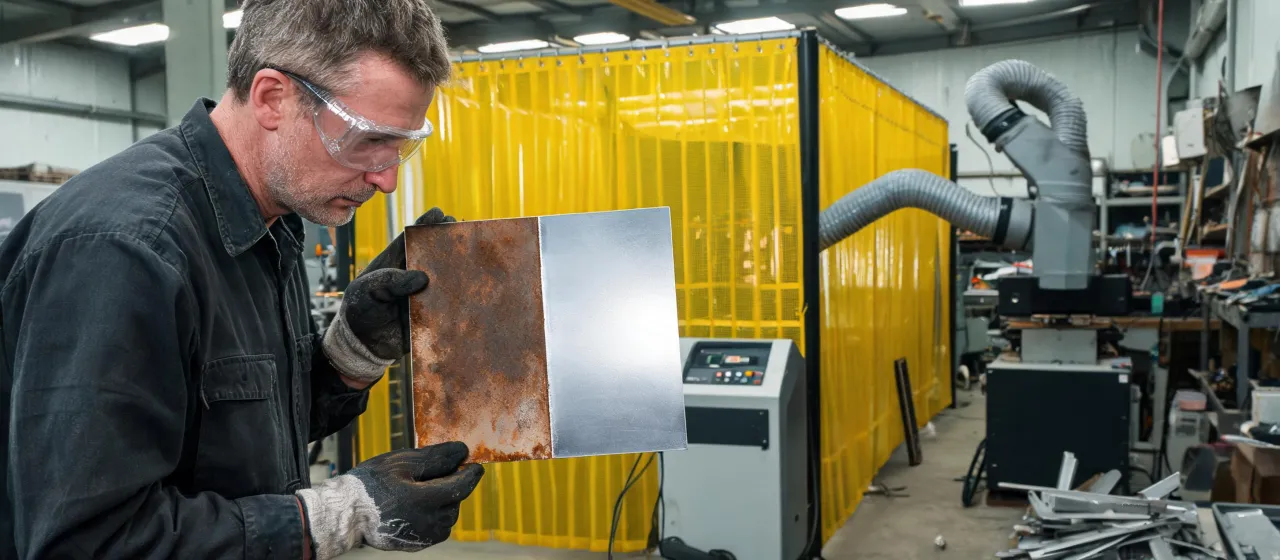
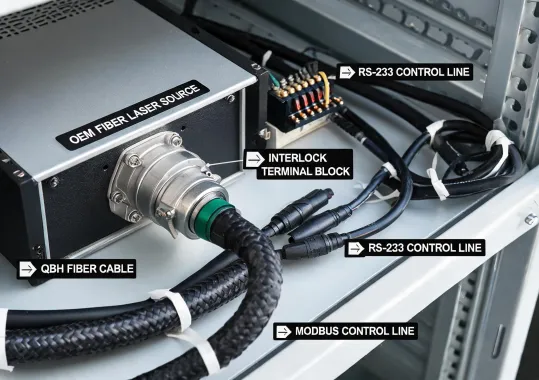
Fiber laser source OEM wiring detail

Drop-In OEM Module Guidance

JPT helps machine builders align fiber delivery, cooling, command signals, and safety interlocks before the source reaches the cabinet. The result is less time spent translating datasheets into working wiring decisions.

  • QBH or QCS delivery options
  • Gate and synchronization notes
  • Controller compatibility checklist
Review integration support →
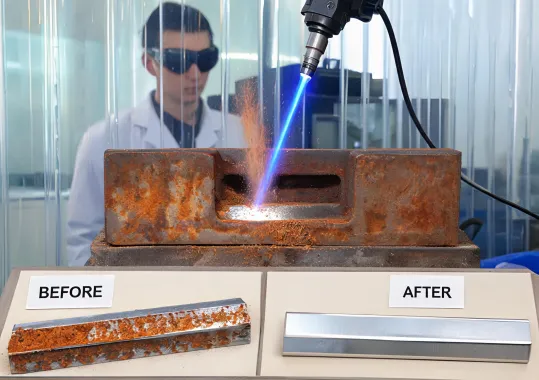
Pulsed laser cleaning rust removal sample

Cleaning and Marking from One Advisor Team

For buyers comparing a JPT laser marker with a pulsed cleaning source, the application team looks at oxide thickness, heat tolerance, line speed, and extraction requirements, then recommends a source family instead of a generic wattage.

  • Rust and coating removal review
  • Traceability marking process notes
  • Spare fiber and service routing guidance
See application matrix →

Where JPT fiber laser systems run

Choose a process route before choosing a power label.

Consumer Electronics

Color logos, black marks, and enclosure codes.

Medical UDI

Fine stainless marks with clean edges.

Battery

Cell, tab, and busbar traceability.

Jewelry

Low-heat engraving and color accents.

OEM Markers

Embedded source modules for machine builders.

Mold Shops

Pulsed rust removal without abrasive media.

Aerospace

Durable part identification and serials.

Security Parts

Microtext, anti-counterfeit marks, and codes.

Talk to our laser source team

Send material, mark size, and current machine status. An application engineer responds with a source family, test plan, and integration checklist rather than a generic catalog link.

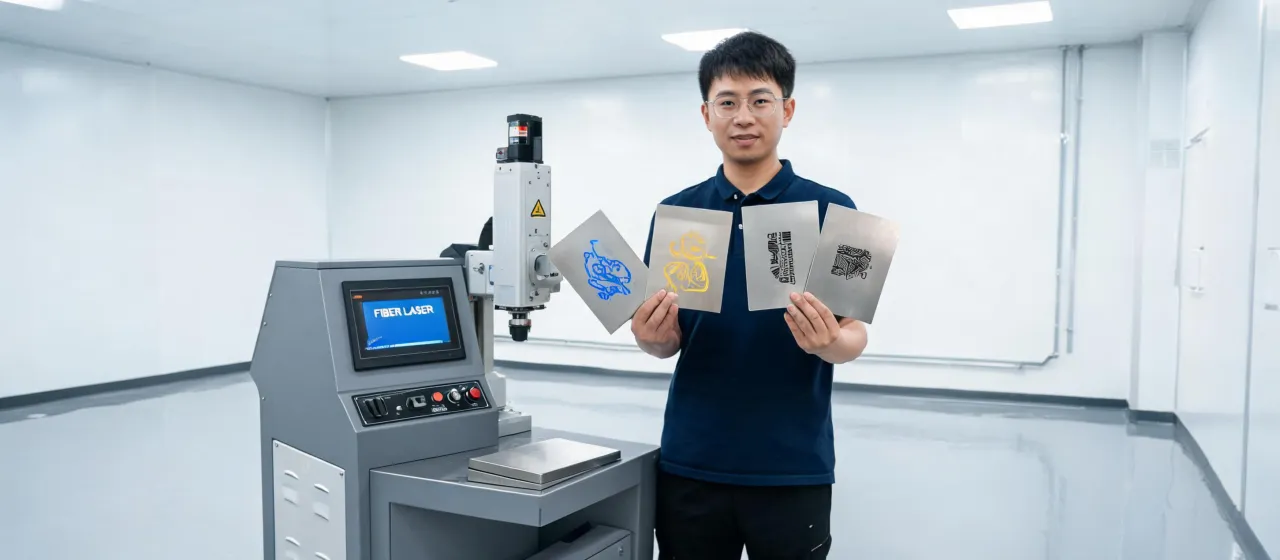
Laser marking production line with stainless parts

Bring us the part, not just the wattage target.

JPT advisors turn substrate, throughput, beam delivery, and service requirements into a source recommendation your team can actually build around.

Start a Sample Marking Plan Read JPT Application Notes →